
In Loving Memory
Hem Kanta Bora
ঢোলৰ ওজা
31 December 1952 — 11 October 2016
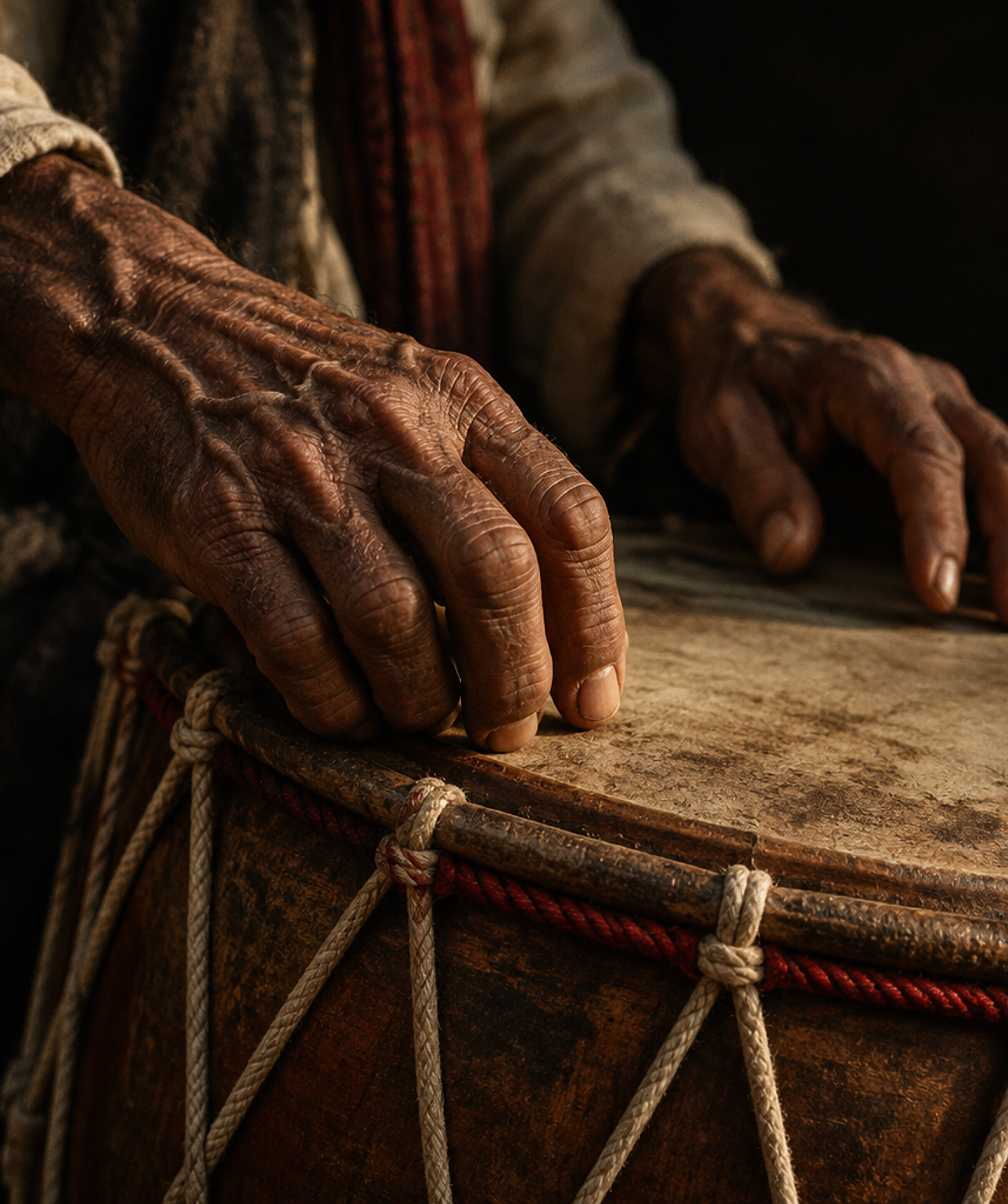
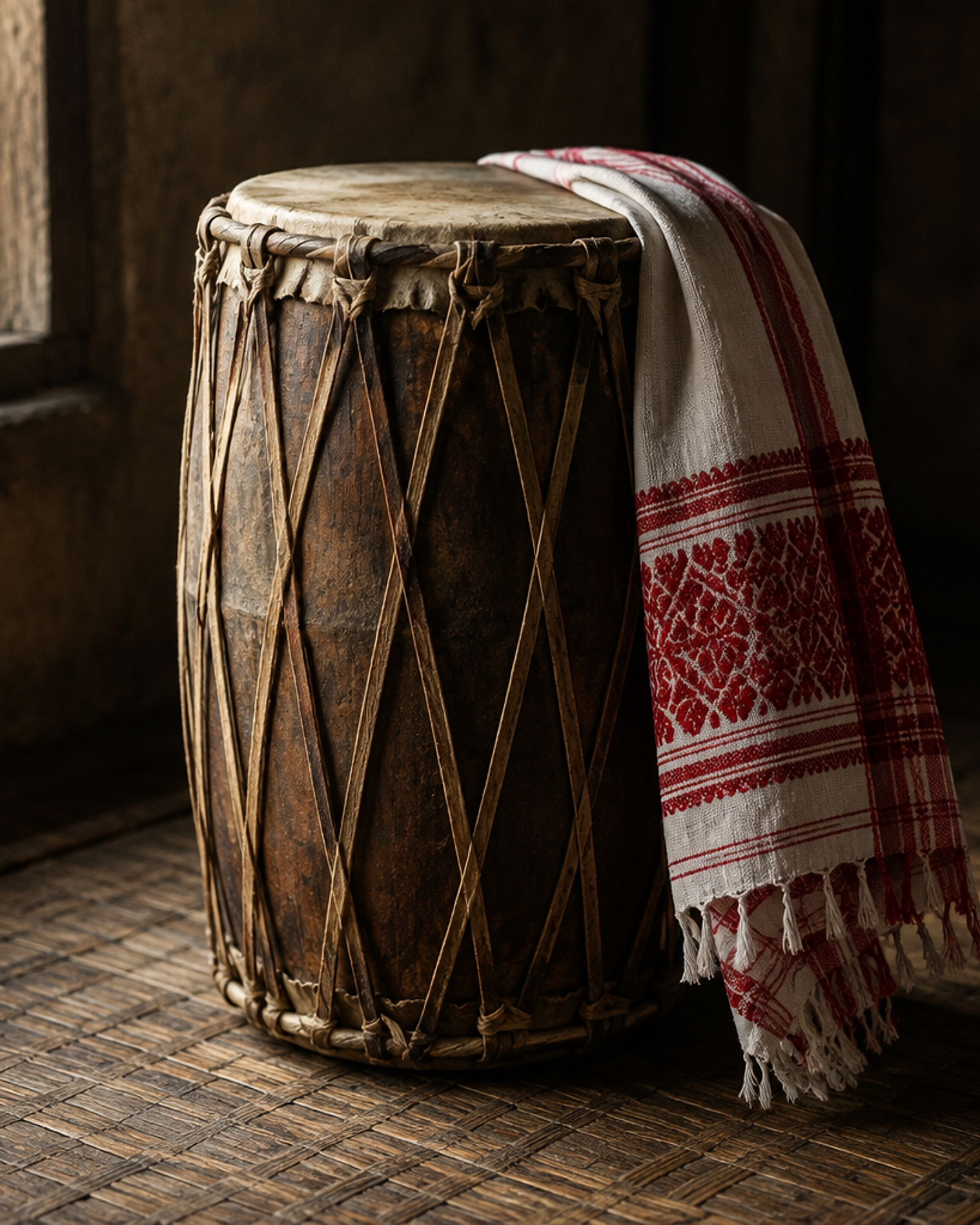
The dhol at rest · the rhythm remembered
A life. A passion. A rhythm that lives forever. A son of the soil of Assam, a man of determination, a devoted family man — and a passionate guardian of the traditional rhythms of Assamese Bihu. His journey began in a small village in Jorhat, but his passion for Assamese culture reached far beyond geographical boundaries.
Born 1952 · Kakodonga, Jorhat
Known as Dholor Oja
Home Nayanpur, Guwahati
Final journey 11 October 2016
01 About
A journey that began in Kakodonga
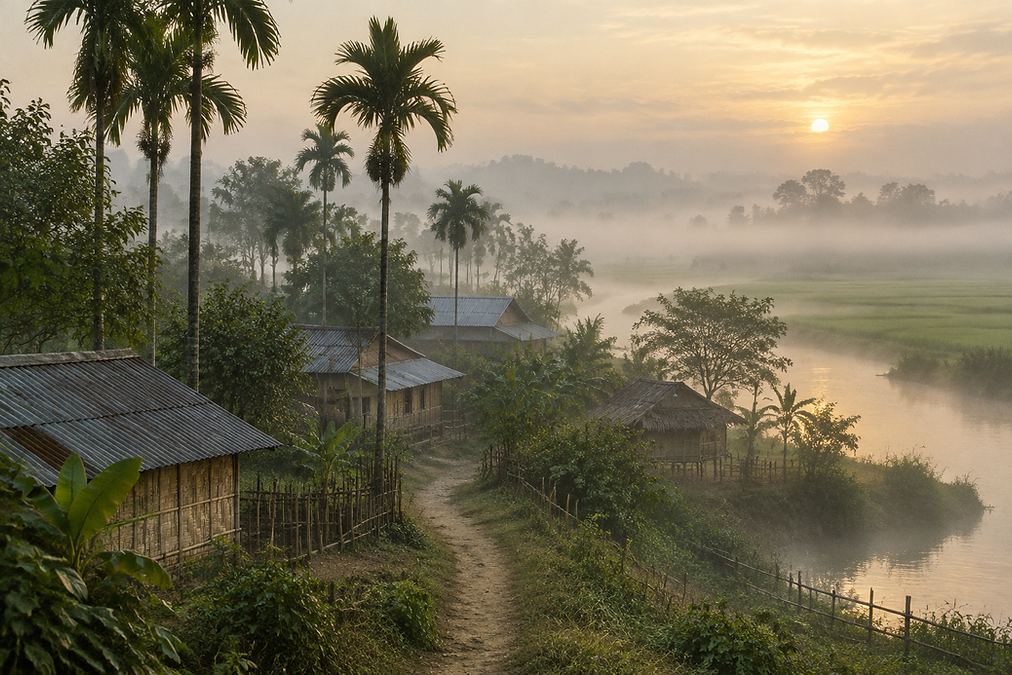
Hem Kanta Bora was born on 31 December 1952 in Kakodonga village, in the Jorhat district of Assam. Born into a humble Assamese family, his early years were marked by hardship and challenges. He belonged to a generation that believed in hard work, self-respect and responsibility.
02 The Journey
এক অধ্যৱসায়ৰ জীৱন
Kakodonga
Where it began — a village in Jorhat district.
Namrup
His professional career began at Namrup Fertilizer Company.
Nayanpur, Guwahati
Where he built a home and raised his family.
After completing his education, Hem Kanta Bora joined Namrup Fertilizer Company. Through his professional responsibilities and personal determination, he built a home and a family while continuing to nurture his deep interest in Assamese culture.
His life was not defined by professional employment alone. Beyond his working years, he carried a passion that would become an important part of his identity — the traditional Assamese dhol.
03 The Rhythm of His Life
Dholor Oja — a name earned through passion
ঢোলৰ ওজা
For Hem Kanta Bora, the dhol was more than a musical instrument. It was a connection with his roots, his culture and the traditions of Assam. His knowledge and experience earned him the respected title of Dholor Oja — a title that represented his identity as a dedicated practitioner and a knowledgeable guardian of traditional Assamese dhol music.
Bihu rhythms
An extensive knowledge of traditional beats and the practice behind them.
Respected judge
Invited to assess Bihu performances by groups and artists across Assam.
A living tradition
Not an annual celebration, but a living expression of Assamese identity.
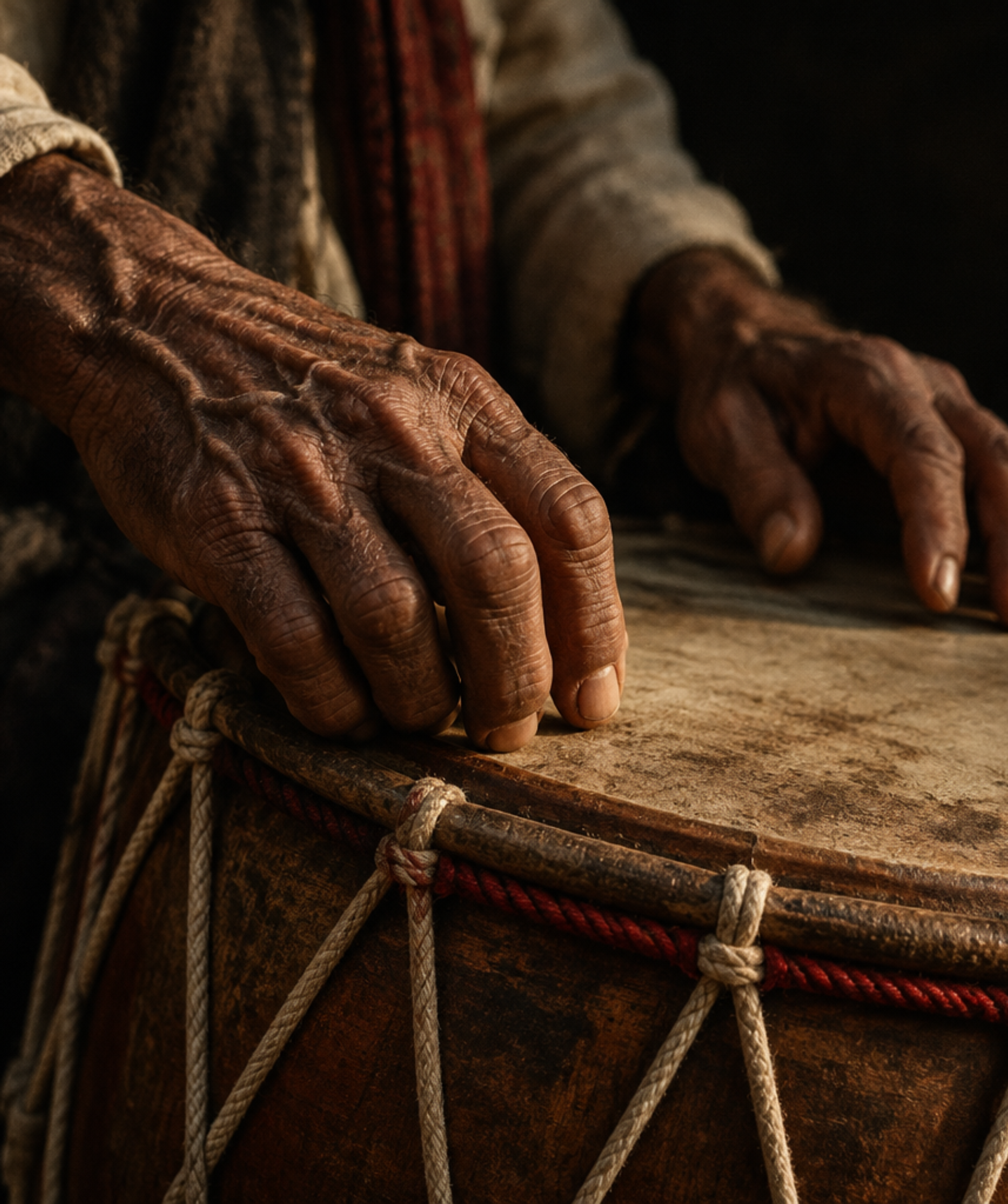
"The dhol was his passion. Bihu was his world."
04 Culture & Cinema
A life inside Assamese culture
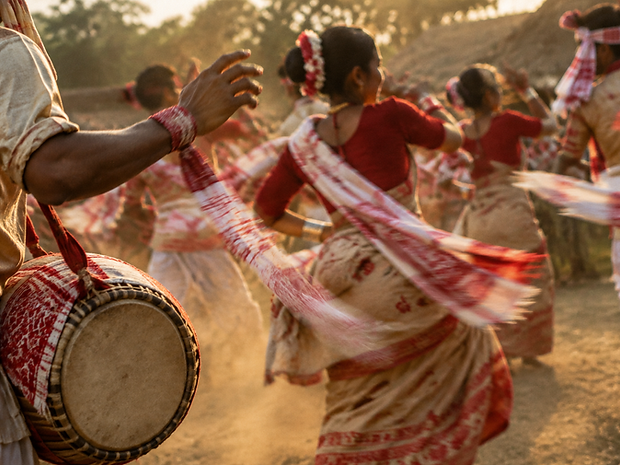
Hem Kanta Bora's connection with Assamese culture extended beyond the dhol. He was deeply embedded in the cultural life of his community — attending Bihu celebrations, supporting local artists, and nurturing the next generation of performers. His presence at cultural gatherings was a constant reminder of the living traditions that bind Assamese society together. He believed that culture was not a performance but a way of life.
05
His greatest bond
Wife
Mrs Bonti Bhuyan Bora
Renew Bhuyan family of Borjan, Golaghat
Daughters
Sangita Bora
Elder daughter
Smita Bora
Younger daughter
A life, in chapters
Birth
Born in Kakodonga, Jorhat district, Assam.
The dhol, his lifelong passion
A deep connection with the traditional Assamese dhol began to take shape.
Namrup
Joined Namrup Fertilizer Company — the start of his professional life.
Nayanpur, Guwahati
Built a home and raised his family in Nayanpur, Guwahati.
Dholor Oja
Earned the respected title — a guardian of traditional Assamese dhol music.
The final journey
Passed away on 11 October 2016, leaving behind a legacy of rhythm and culture.
In Loving Memory
11 October 2016
বিদায়
Hem Kanta Bora passed away on 11 October 2016. He left behind a family who loved him deeply, a community that respected him, and a legacy of cultural dedication that will not be forgotten. His identity as Dholor Oja remains an important part of his family's memories.
Moments that tell a thousand stories
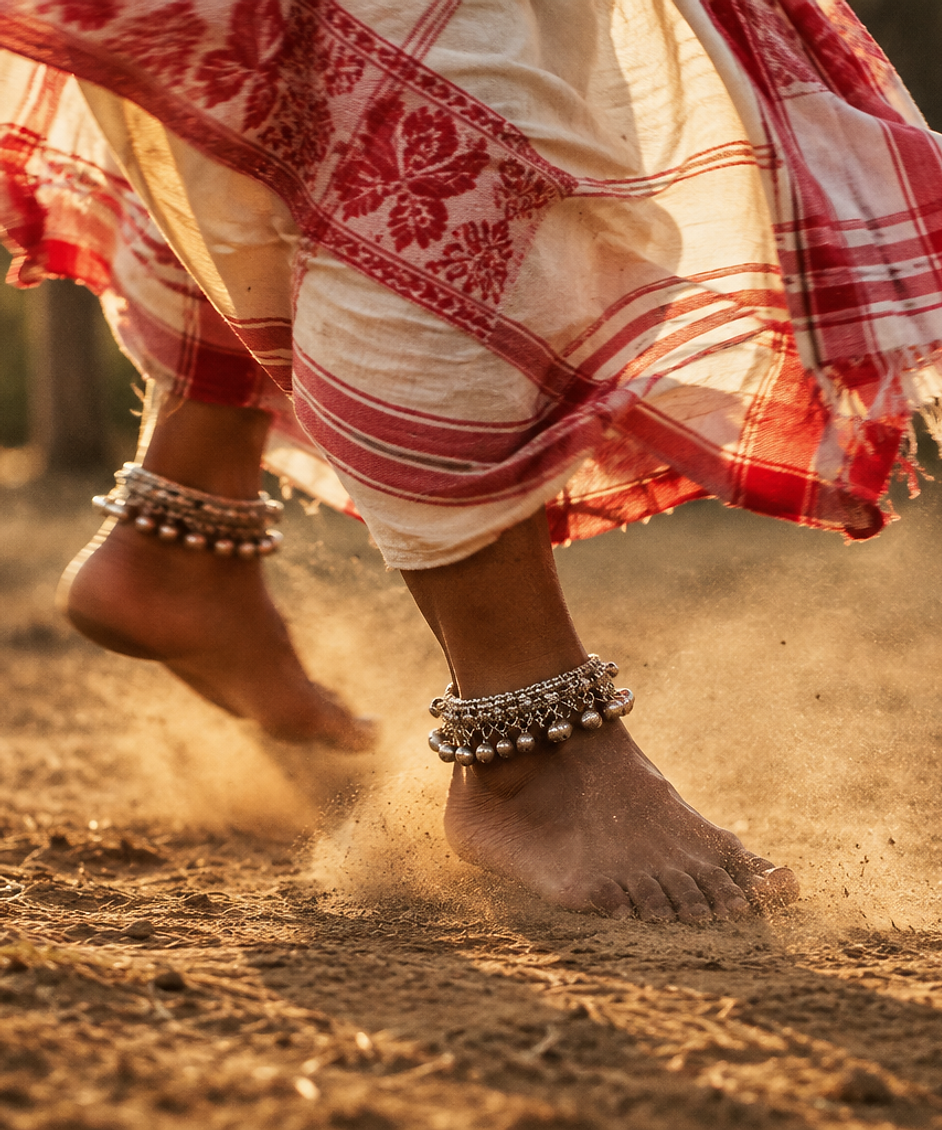
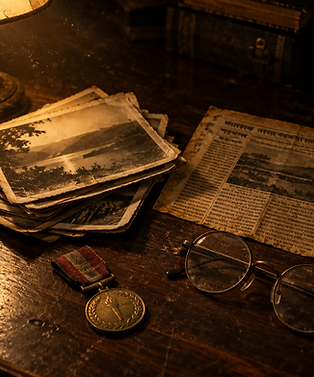
Every photograph is a fragment of a life that deserves to be remembered.
08 His Legacy
A legacy beyond a lifetime
জীৱনৰ পাছতো
Born in Kakodonga, Jorhat
The dhol, his lifelong passion
Remembered across generations
Hem Kanta Bora's life represents the journey of an ordinary man with an extraordinary passion. From the humble surroundings of Kakodonga to his professional life in Namrup and Guwahati, he experienced different chapters of life while maintaining his connection with his cultural roots. His identity as Dholor Oja remains an important part of his family's memories. His story deserves to be preserved not only as a family biography but also as a reminder of the people who contribute to keeping Assam's traditional cultural heritage alive. The younger generations should know that behind every cultural tradition are individuals who dedicate their time, knowledge and lives to preserving it. His story is one such story.